The Nicene Creed stands as one of the most profound and foundational statements of Christian faith, serving as a unifying declaration for believers across the world. Crafted in the early centuries of Christianity, this creed captures the essence of the faith, encapsulating the core beliefs that define what it means to be a follower of Jesus Christ.
Historical Context
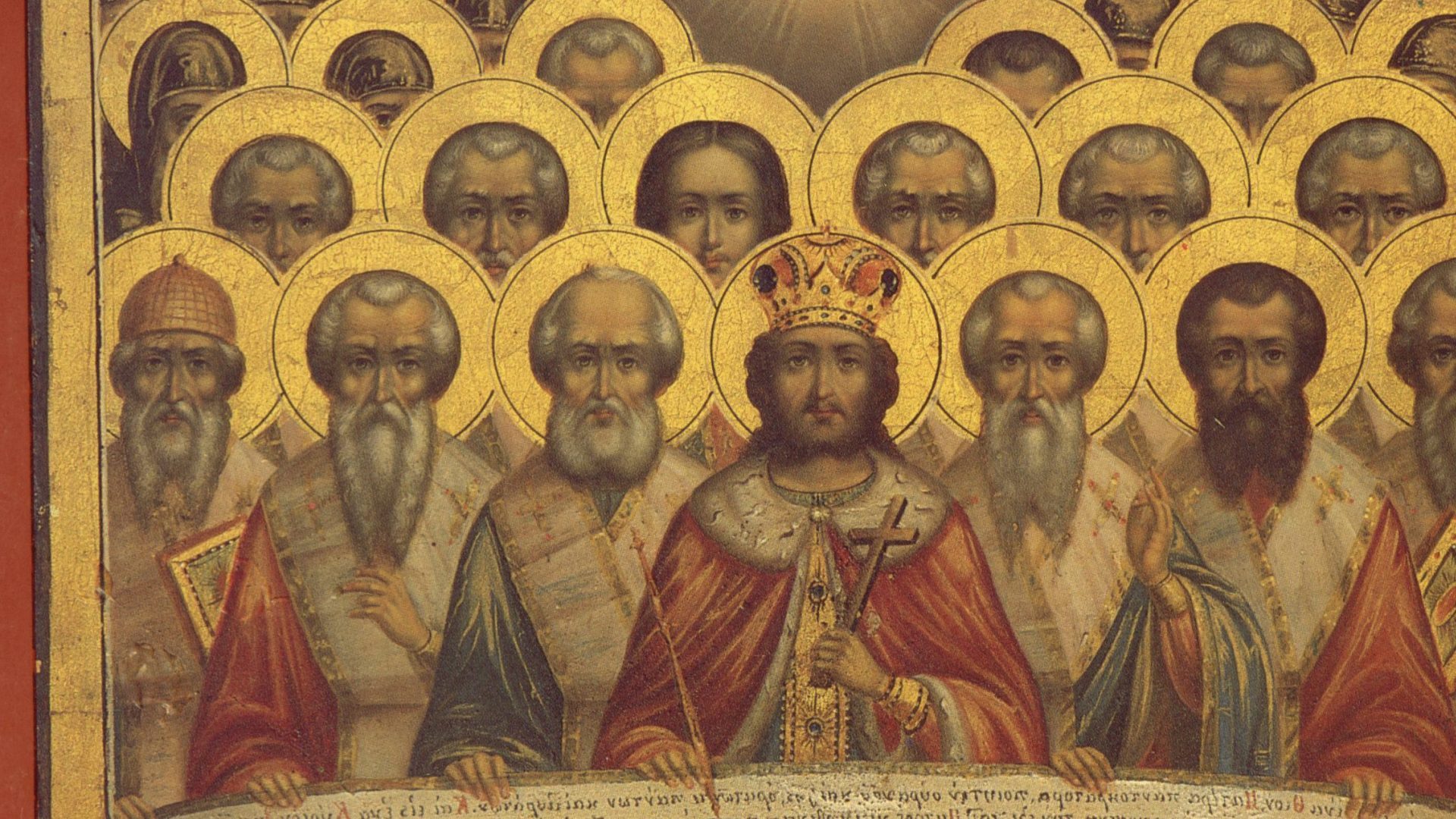
The origin of the Nicene Creed dates back to the early 4th century, during a time when the Christian Church faced numerous theological challenges and divisions. One of the most significant controversies revolved around the nature of Christ and His divinity. A priest named Arius propagated a teaching suggesting that the Son of God was a created being, not co-eternal with the Father. This heresy, known as Arianism, threatened to fracture the Church and distort the true understanding of Christ’s nature.
In response to this growing division, Emperor Constantine convened the First Council of Nicaea in AD 325. This ecumenical council aimed to address the theological dispute and preserve the unity of the Church. It was here that the Nicene Creed was developed, providing a clear and concise articulation of the Christian faith.
Key Elements of the Creed
The Nicene Creed is structured into three main parts, reflecting the Holy Trinity: the Father, the Son, and the Holy Spirit.
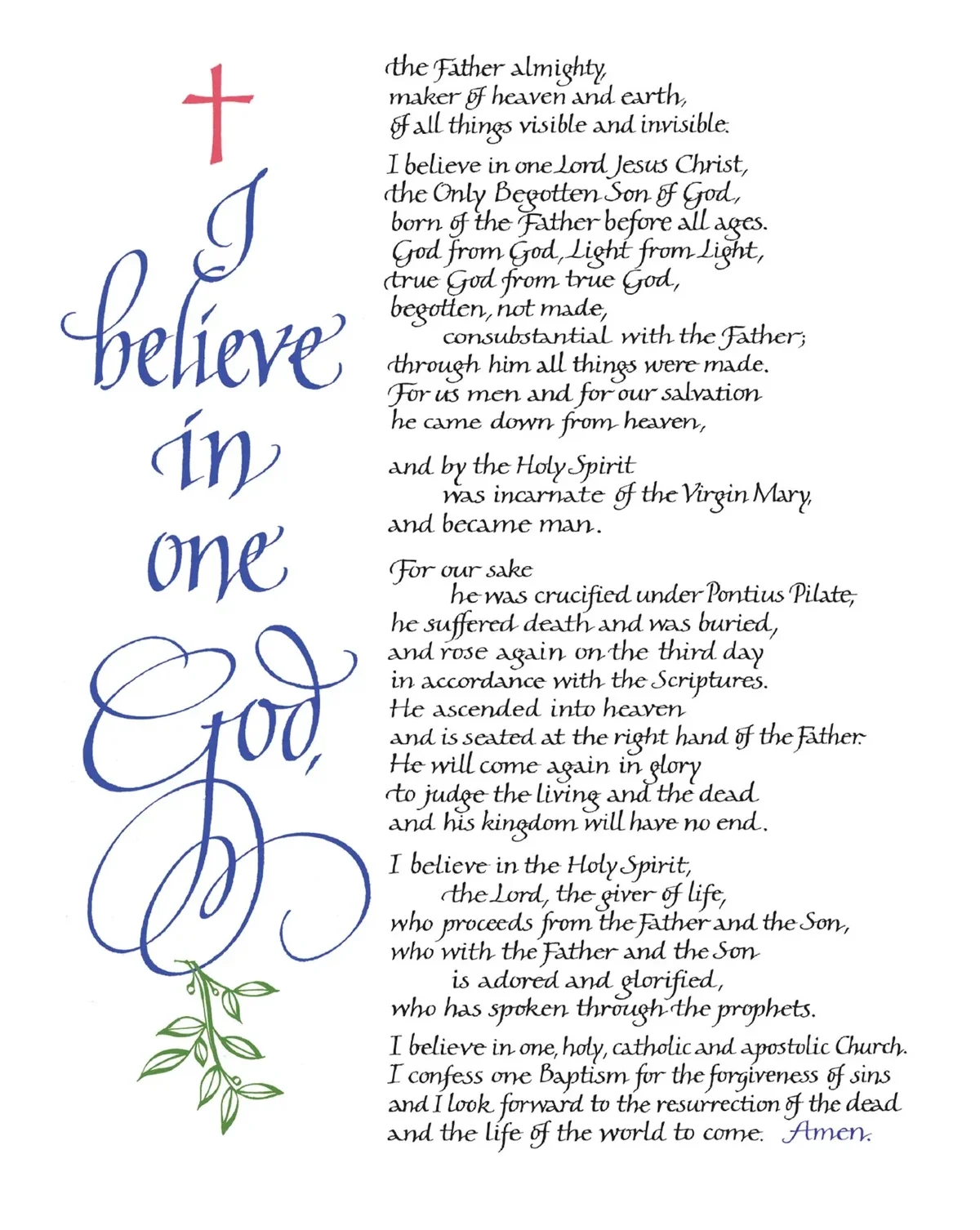
1. Belief in God the Father Almighty The creed begins with an affirmation of belief in “one God, the Father almighty, maker of heaven and earth, of all things visible and invisible.” This establishes the foundational monotheistic belief central to Christianity. God is acknowledged as the Creator of the universe, both seen and unseen. This statement affirms God’s omnipotence and His role as the source of all that exists.
2. Belief in Jesus Christ, His Only Son The second section of the creed focuses on Jesus Christ. It affirms
His divine nature as “the only begotten Son of God” and “true God from true God.” This counters Arianism by emphasizing that Jesus is consubstantial with the Father, meaning He shares the same divine essence. The creed highlights key events in Christ’s life: His incarnation (“born of the Virgin Mary”), His crucifixion (“suffered under Pontius Pilate”), and His resurrection (“rose again on the third day”). These events underscore the salvific mission of Christ, who came to redeem humanity from sin and death.
3. Belief in the Holy Spirit The third part of the creed professes faith in the Holy Spirit, “the Lord, the giver of life,” who proceeds from the Father and the Son. This denounces the notion that the Holy Spirit is a lesser divine entity, affirming His co-equality and co-eternity with the Father and the Son. The creed also acknowledges the Spirit’s role in the Church, guiding and sanctifying believers in their journey of faith.
4. Belief in the Church and the Last Things The creed concludes with a declaration of belief in “one, holy, catholic, and apostolic Church,” emphasizing the unity, sanctity, universal mission, and apostolic foundation of the Church. It affirms belief in one baptism for the forgiveness of sins, the resurrection of the dead, and life everlasting. These tenets highlight the hope of eternal life and the transformative power of the sacraments.
Significance and Legacy
The Nicene Creed is more than a mere historical document; it remains a living testament of faith. Recited regularly in Catholic liturgy and shared among many Christian denominations, the Creed unites believers in a common profession that transcends individual and cultural differences. It serves as a touchstone for understanding the mysteries of the faith and a safeguard against doctrinal error.
By affirming the truths contained in the Nicene Creed, believers join in a centuries-old tradition that proclaims the core tenets of Christianity. This proclamation is not just an intellectual assent but a heartfelt commitment to live in accordance with these truths, allowing the creed to shape life and faith.
Discover more from St Mary’s Church
Subscribe to get the latest posts sent to your email.
Leave a Reply